Author

Joyce Xi
Joyce Xi

Nashwah Akhtar
Senior Communications Associate
Nashwah Akhtar
Senior Communications Associate
Whether we speak Chinese or Karen, Arabic, Spanish, or Mixteco, being able to use our preferred language is inextricably tied to being seen as our full selves, to being understood, and to having a say over the decisions that shape our lives.
In California, almost half of all residents speak a language other than English at home. Seven million Californians primarily use one of more than 200 non-English languages. Immigrants have come together for years to win language rights at the ballot box, at work, at the doctor’s office, in schools and much more.
To dig deeper on what it means to live life in your own language, we partnered with photographer Joyce Xi and community groups throughout the Bay Area to share stories of immigrants and their family members, from the challenges they experience navigating an English dominated society to the joys they experience when they can express themselves without barriers.
‘Our Language, Our Story’ at the Yerba Buena Center for the Arts
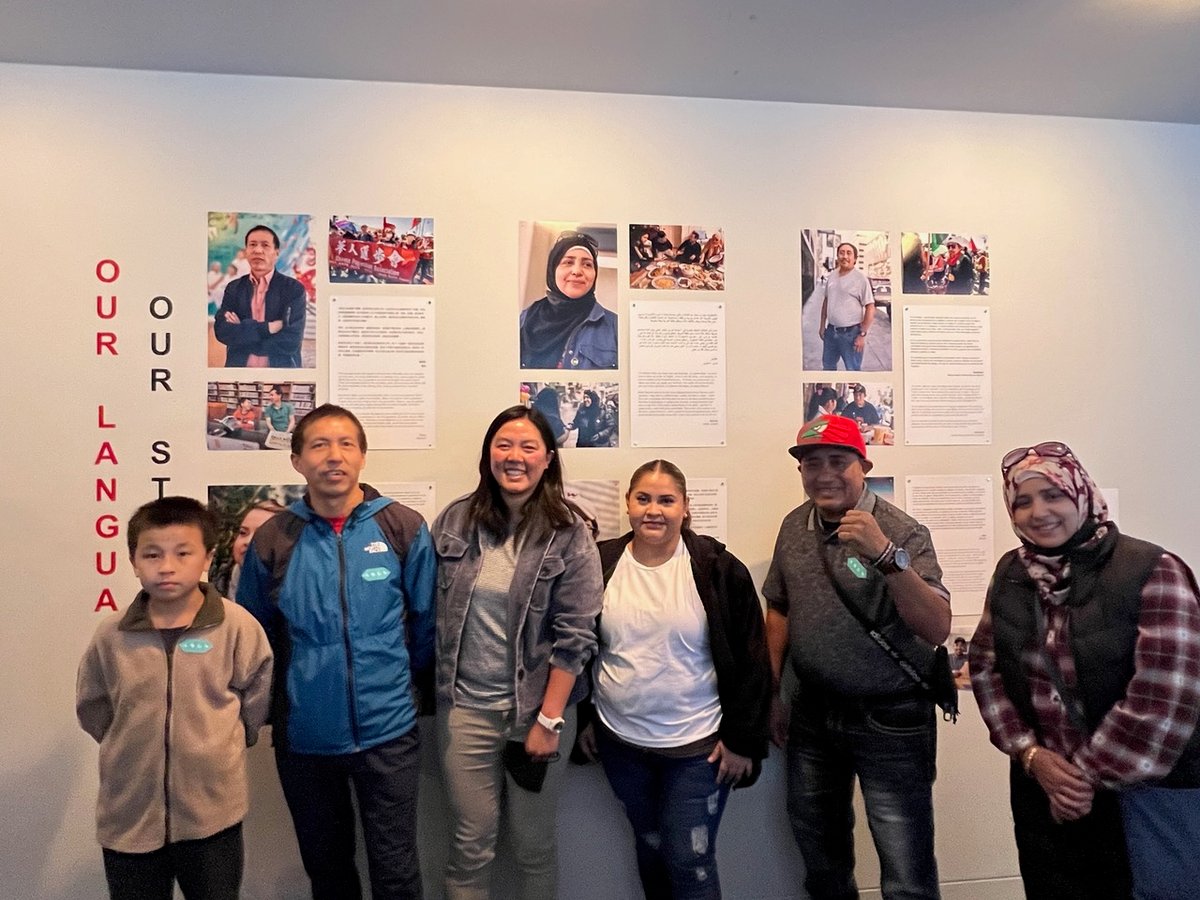
Community photographer Joyce Xi stands with project participants, Pinjun, Josseline, Guadalupe, and Bushra, at a sneak peak exhibit at the Yerba Buena Center for the Arts in September 2024.
In September 2024, we exhibited a preview of the project at the Yerba Buena Center for the Arts, in partnership with Chinese Progressive Association, Trabajadores Unidos Workers United, and PODER SF. We are publishing the exhibit online for those who missed it, and invite you to reflect on the stories of the six Bay Area immigrant community members below who were featured.
Please stay tuned for the full project exhibit later this year, when we will be unveiling all the stories and photographs from this multilingual and multiracial storytelling project. We believe uplifting immigrant and refugee communities and stories is more important than ever, as we affirm values of inclusion, safety, freedom, and fight to keep families together.
Bushra | بشري
Arabic, English | عربي ، انجليزي
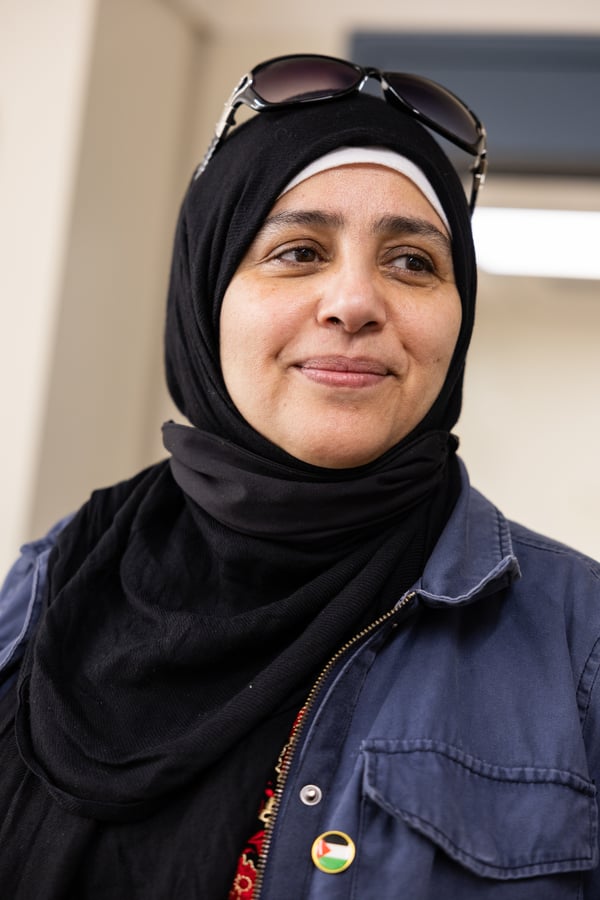
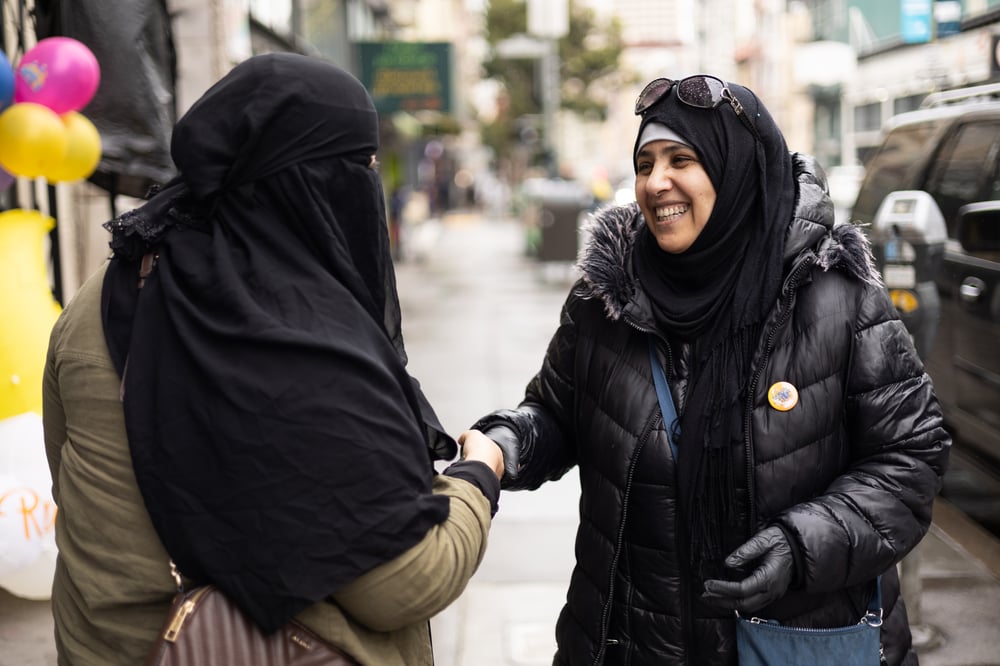
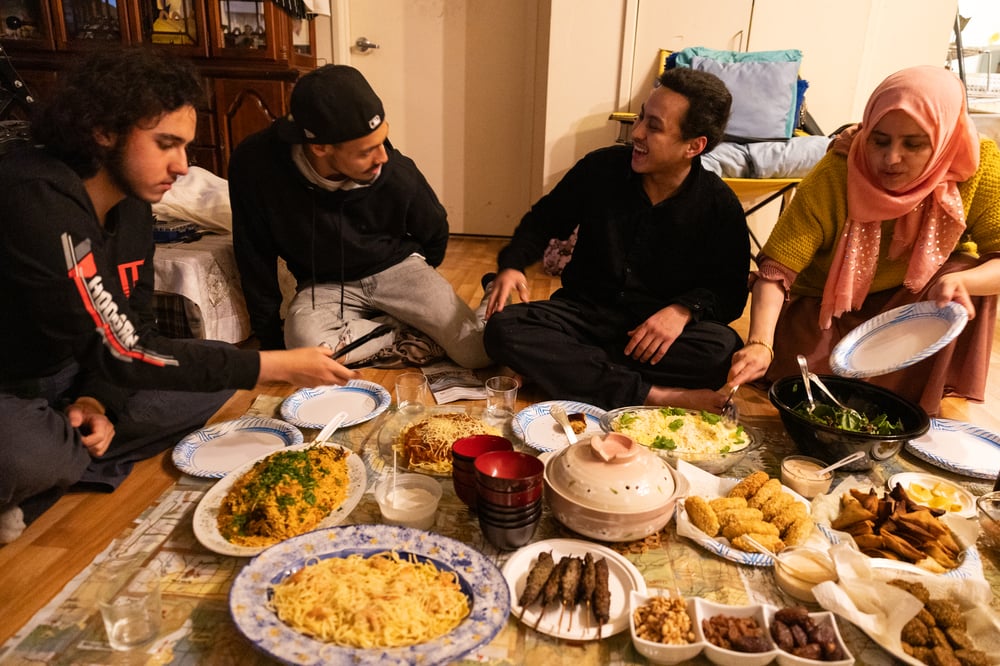
بالإنجليزية، يجب ان ابحث عن الكلمات، واكون حساسة بحيث لا اجرح الأخرين إذا اوسيء فهمي. بالعربية، انت تتحدث بحرية من قلبك، وبمشاعرك. انت تتحدث بالكلمات ولكن ايضاً تعبر بلغة جسدك وبيدك. بالتأكيد، فالأمرمختلف باللغة العربية جملةً وتفصيلاً
عندما تأتي العائلات الناطقة بالعربية الي " حضانة كروس كيلتشر فاملي سنتر"،فأنا أساعدهم بطريقة مختلفة. فأنا اتحدث معهم باللغة العربية. أجعلهم يشعرون بالراحة. ثم عندما نبدأ في الحديث عن شيء آخر ، مثل ملء الإستمارات، أو الذهاب لإجراء مقابلة ، فأنا اقوم بالترجمة بقدر استطاعتي باللغة الانجليزية. واجعلهم يتحدثون العربية لكي يشعروا بالراحه. وهذا ما كنت افتقده في حياتي عندما جئت الي الولايات المتحدة، حيث قابلت صعوبة عندما بدأت في رفع قضيتي للهجرة، وعندما بدأت ان اعيش حياتي هنا، وقد كنت اتمني لو كان لدي شخص يساعدني ويفعل ذلك من اجلي
“It’s different when you speak your own language. You speak freely. You don’t have to make up words. In English, I have to look for words, to be sensitive, to not hurt people if they misunderstand you... In Arabic, you speak freely. You speak your heart, you speak your emotions. You speak with words but also with your hands and body. It’s different with Arabic. It’s totally different.
When families come by [to the Cross Cultural Family Center] that are Arabic speakers, I help them in a different way. I speak with them in Arabic. I make them feel comfortable. And then when we start to talk about something else, like filling in applications, or going for an interview, or doing translation with them to help them, that’s when I speak English to my ability. I get them to speak Arabic, make them more comfortable. That’s what I was missing in my life when I came to the U.S., when I started to do my [immigration] case, when I started to live my life here. It was hard. I wish I had a person to do that for me.”
Eder
Spanish | Español
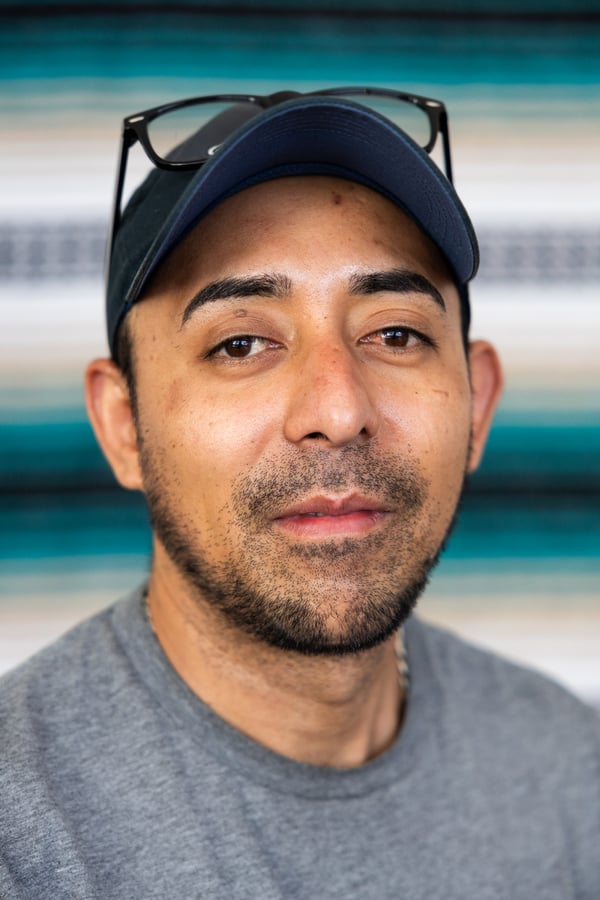
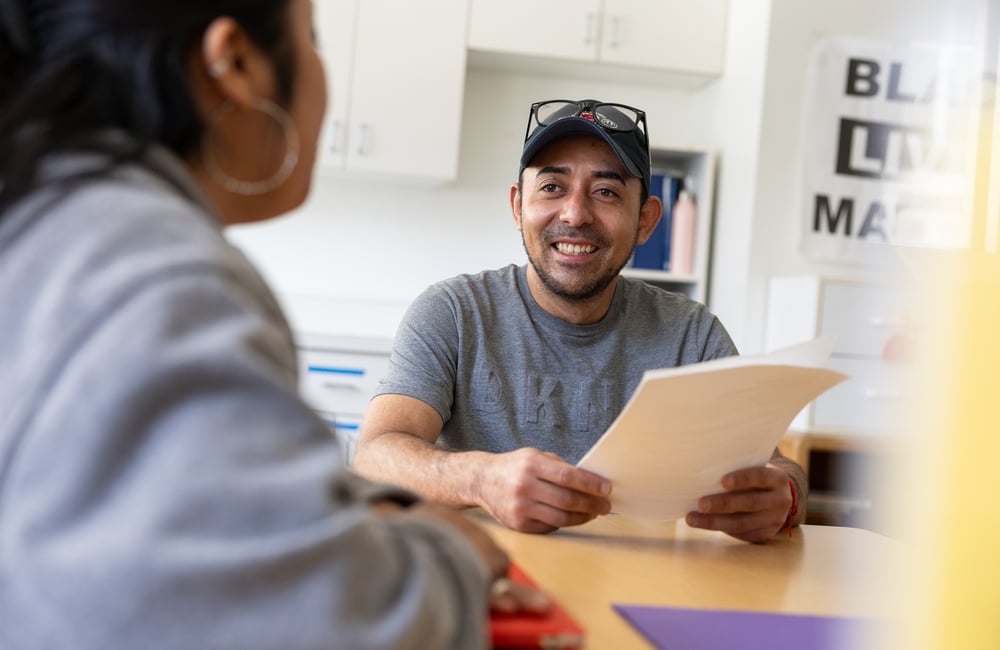
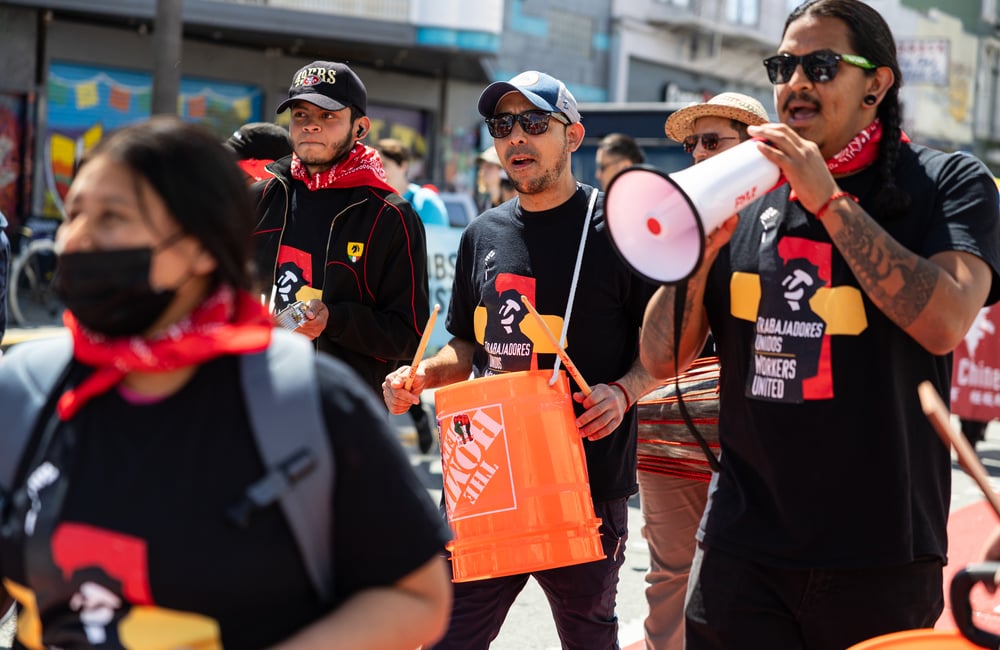
“Trabajé en [el restaurante] Voodoo Love hace ya como tres años y fue algo muy estresante para mí. Cuando yo empecé a trabajar con [la jefa], todo iba bien y después de cierto tiempo pues, ella fue enseñando que era [diferente] de la imágen que yo tenía de ella. Ella me quedó a deber dinero, se me desapareció, le llamé, le mandé textos, y nunca me contestó. Tenía que mandar dinero para mi país [y no pude] y no tenía dinero para mi renta. Con todo lo que me debe hasta hoy, son casi $12,000. Violó muchos de mis derechos, mis días de enfermedad y parte de mis breaks y lonches.
Si TUWU, Trabajadores Unidos Workers United, no existiera, mucha gente se quedaría sin reclamar por sus derechos, sin reclamar por lo que es de ellos. Siento que sería una gran diferencia [si tuviera que pelear mi caso en inglés] porque si alguien me habla rápido en el inglés, no lo entiendo. Sería ir a pelear una guerra sin armas, prácticamente. No sabría cómo defenderme. Quizás, siento que se me haría imposible. Sí, me ayudan bastante porque siento que puedo entender un poco más el caso [de robo de salarios]. Es bueno expresarse [en su idioma natal] porque es el primer idioma que uno aprendió y prácticamente olvidándote de este idioma es como que te estás olvidando de tus raíces.”
“I worked at [the restaurant] Voodoo Love about three years ago and it was very stressful for me. When I first started working with [the boss] everything went well. After some time, she started to show that she was different from the image I had of her. She owed me money, but she disappeared. I called her, I texted her, and she never responded. I had no money to send home for my country or for my rent. With everything that she owes me up until today, it's almost $12,000. She violated many of my rights, such as my paid sick days and some of my breaks and lunches.
If TUWU, Trabajadores Unidos Workers United, didn't exist, many people would be left without being able to fight for their rights, without being able to claim what is owed to them. I feel like it would make a big difference [if I had to fight my case in English], because if someone talks to me quickly in English, I don´t understand. It would almost be like going to fight a war without weapons. I wouldn't know how to defend myself. Maybe I feel it would be impossible. They help a lot because I feel like I can understand the [wage theft] case a little more. It's good to express yourself [in your native language] because it's the first language you learn, and if you forget about this language, it´s like you're forgetting your roots.”
Guadalupe
Yucatec Maya (Interpreted in Spanish) | Maya yucateco (Interpretado en español)
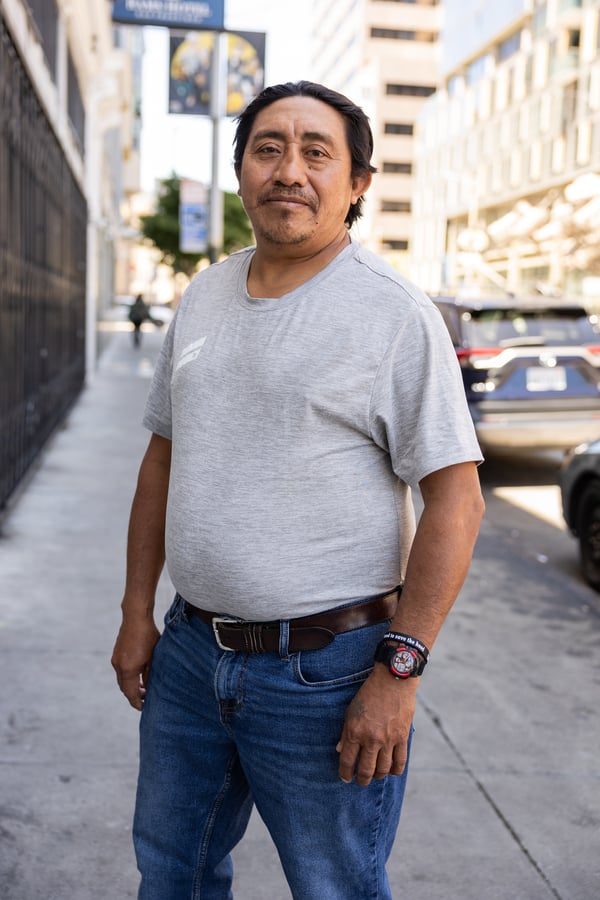
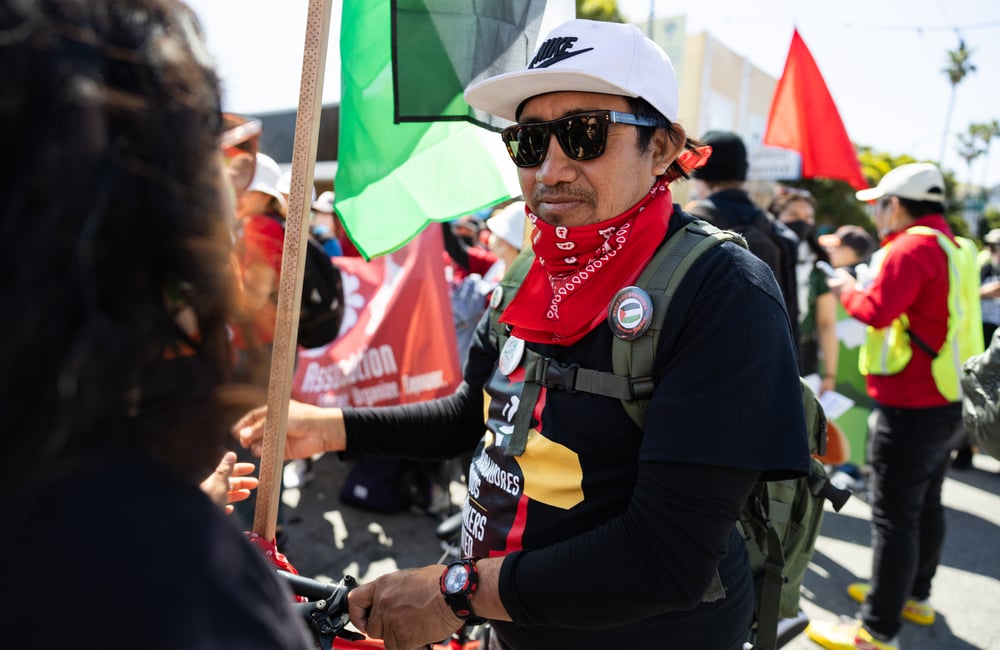
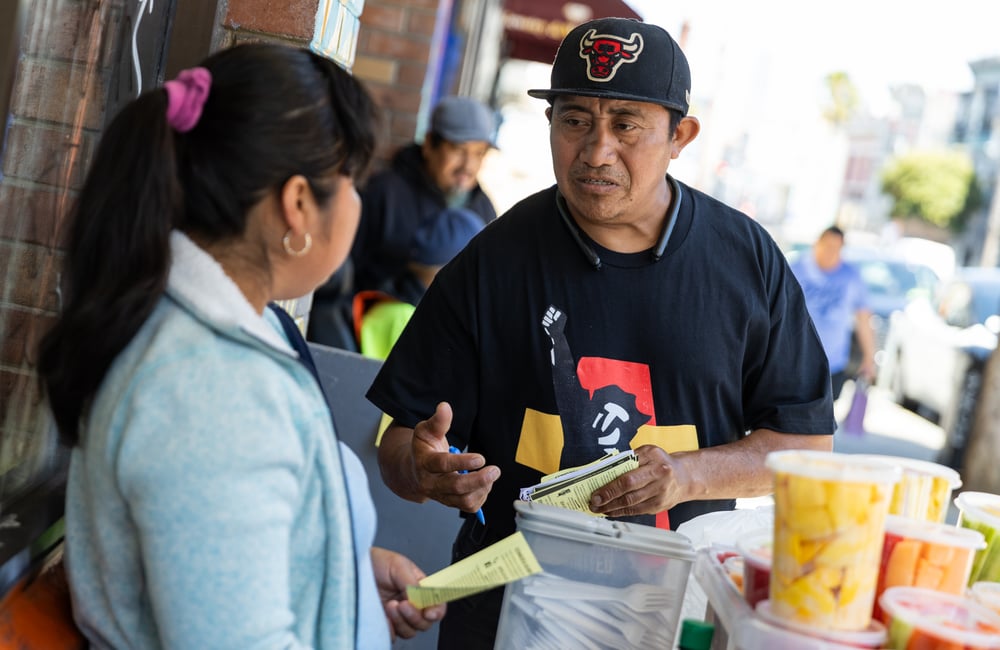
“En mi trabajo, cuando hablo, [porque] hablo más maya que español, se me dificulta, trato de entenderlo en español y el hecho de no saber mucho el inglés o español se me dificulta a veces porque me hablan en el idioma inglés. Ese problema tuve en un trabajo por la misma situación de la barrera del idioma, no les entiendi en inglés y soy maya, hablo mi lengua natal, más que hablar español o inglés [hablo maya], entonces me dijeron que ya no tenía más trabajo porque no les entendía.
Es muy importante que nos puedan entender en nuestro idioma, sobre todo en esta comunidad que estamos aquí en San Francisco porque hay mucha comunidad maya que vivimos actualmente en esta ciudad y es importante que tengamos al menos un tipo de comunicación con otras personas que nos puedan entender y platicar con elles.
Es importante para mí que también la comunidad en San Francisco conozca el idioma maya. Somos una comunidad ya grande y para que también se nos habran más oportunidades de trabajo y otro tipo de oportunidades acá en la ciudad de San Francisco.”
“In my work, because I speak more Mayan than Spanish, it's hard for me. When people speak to me in Spanish I can try to understand, and not knowing a lot of English makes it even harder because they speak to me in English. I had a job where the language barrier was a problem because I didn't understand them in English. I’m more Mayan than a Spanish or English speaker, and so they told me that I didn't have a job with them anymore because I didn't understand them.
It's very important to be understood in our language, particularly in this community here in San Francisco, because we’re a large Mayan community that is living in the city now. It’s important that we have at least one way of communicating with other people so that they can understand us and we can talk with them.
It's very important to me that the San Francisco community know the Mayan language. We are a big community now. Also it’s important that we’re given more opportunities to work and do other things here in San Francisco.”
Josseline
Spanish | Español

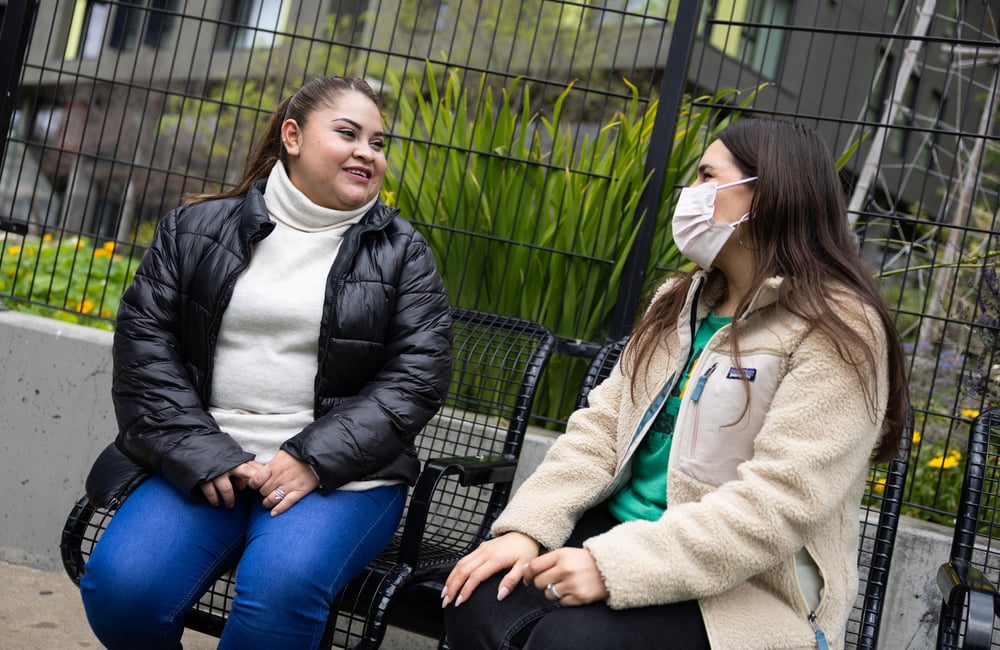
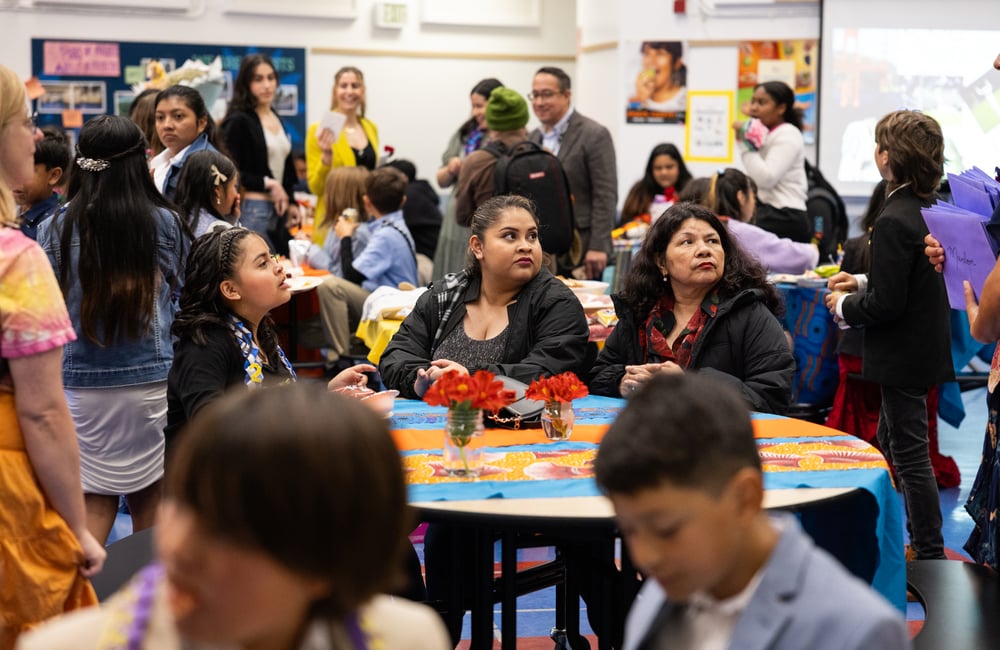
“Ya voy casi para un año buscando trabajo. Una de las primeras veces que fui [a buscar trabajo, cuándo llegué], la muchacha que estaba atendiendo al personal no nos quiso atender en español porque no hablábamos inglés, y la muchacha sí hablaba español. Pero nos dejaron paradas, no nos voltearon a ver, no nos saludaron y ahí nos dejaron por no hablar inglés. Fuimos con una amiga y salimos sin esperanza de nada.
La manera de como miran a los inmigrantes; deberían tratarnos igual que todos, porque yo siento que todos somos iguales, todos somos seres humanos y tal vez no nacimos aquí pero me imagino que todos tenemos los mismos sentimientos y me gustaría que hubiera este cambio, que nos tratara por igual, que el mismo recurso que va a haber para tal persona fuera para todos.
[Cuando puedo comunicarme en mi idioma natal] se siente bien porque uno tiene más confianza hablar con la persona, poderse uno expresar es muy bueno que alguien lo entienda bien. Se siente como en casa... Se siente bonito ayudar a las personas porque pienso en cómo se sentirían ellos por lo que yo he pasado que no las entiendan en su idioma o que no entiendan. Por experiencia propia, uno trata de ayudar a la comunidad.”
“I have been looking for work for over a year. One of the first times I went looking for work, when I got there, the woman who was in charge didn't want to take care of us in Spanish because we didn't speak English, and the woman did speak Spanish. But they left us standing there, they didn't turn around to look at us, they didn't acknowledge us, and they left us there for not speaking English. I was there with a friend, and we left feeling completely hopeless.
The way they see immigrants; they should treat us all the same, because we are all equal, we are all human beings. Maybe we weren't born here but we all have the same feelings. I would like for this change to happen, for us all to be treated the same and if there is a resource for one person, that it might be available to all people.
[When I can communicate in my primary language] it feels great, because you have more confidence, you can speak to the person, express yourself. It feels great when someone understands you well. You feel like you're at home... It feels nice to help others, because of what I’ve been through. I think about what they might be feeling when people don't understand them in their language or when they don’t understand. Because of my personal experiences, I try to help the community.”
Pinjun | 胡品军
Mandarin | 國語
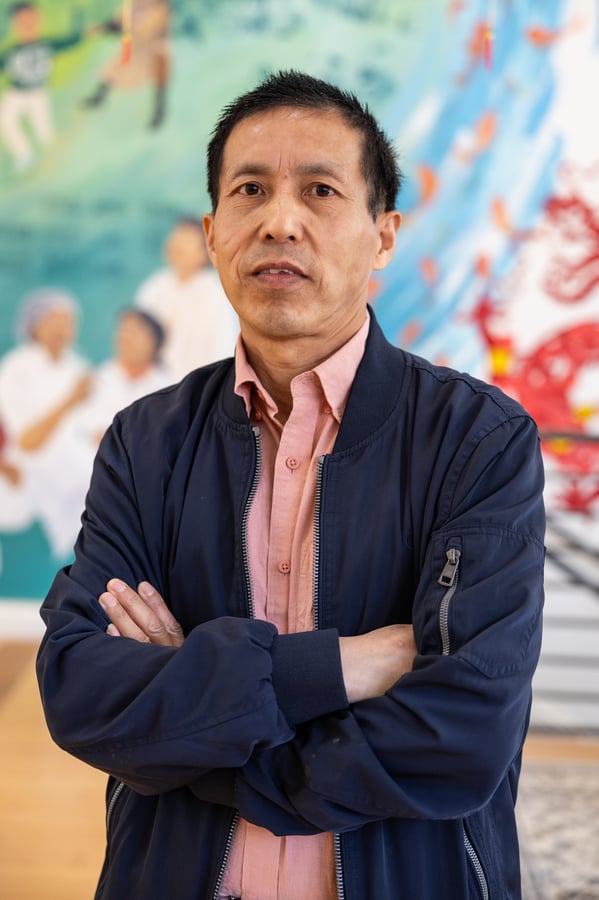
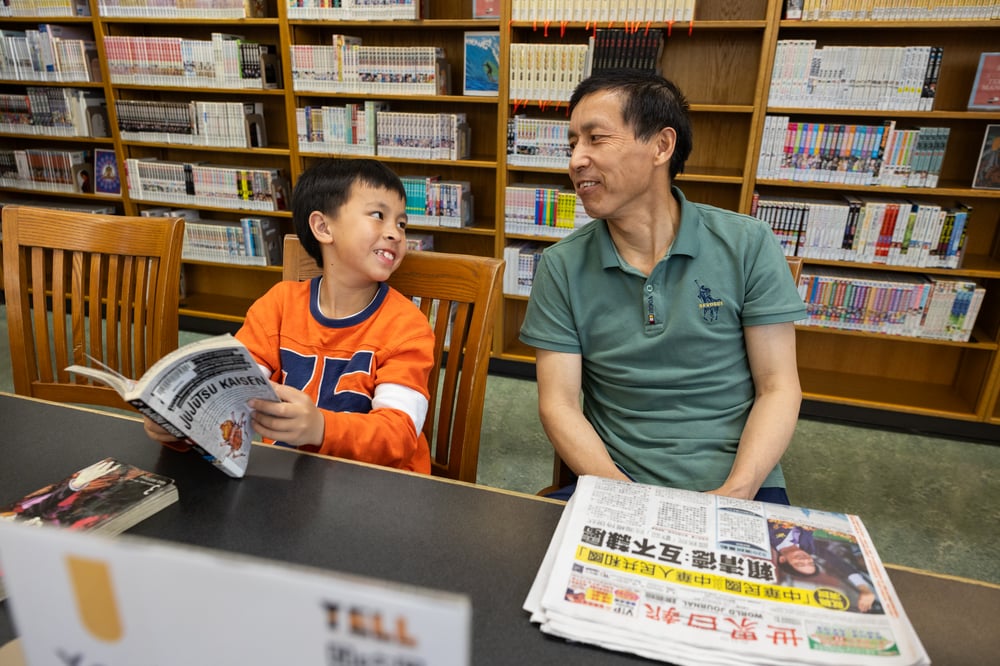
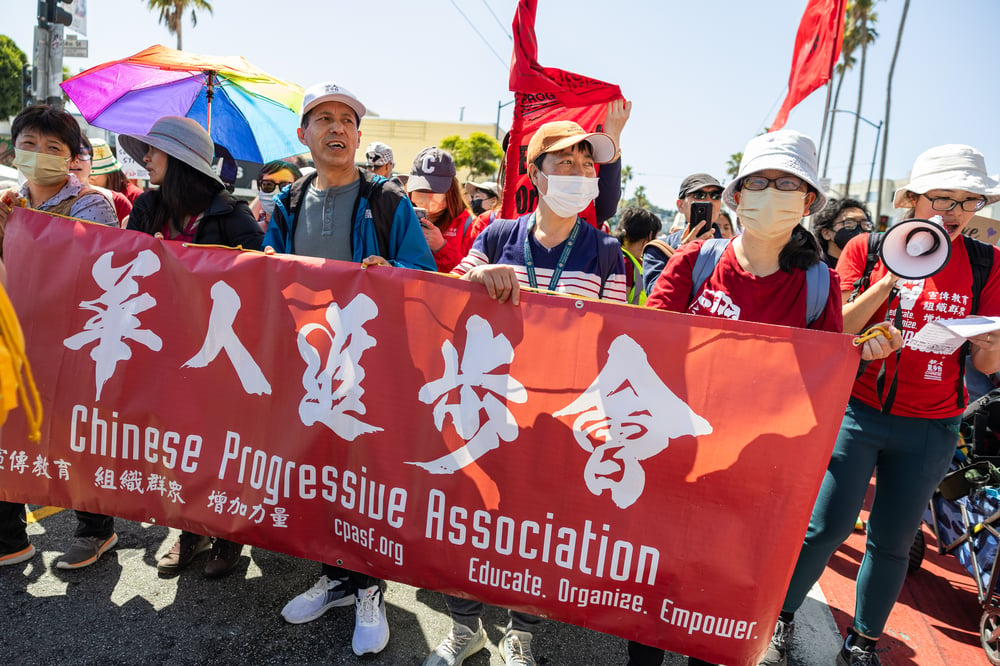
“語言方面溝通不順暢,給我們的生活和工作,以及對外的社會關係帶來了影響。因為如果你需要辦理一些什麼事情,也不可能說用中文跟別人說,因為(這裡)說的是英文。[語言障礙]存在於工作場所中,與人交流時,滿足基本生活需求衣食住行時,購物時,沒能夠有效地進行溝通。
有時,在外面交流的時候,就顯得很尷尬,當我聽不懂的時候,心裡就有點難受......我剛來的時候不懂英文,我的孩子英文也不是很好。但這兩年孩子成長得很快,在英文方面適應能力特別強。有時我們去買東西,他就是我的翻譯。
我畢竟已經五十多歲了,我的想法是有固定的工作,為下一代創造一個良好的居住環境和教育。當然我們自身也要有所改變,因為下半輩子也要在這裡生活,若沒有一定的英文基礎,日後還是有很多障礙。所以打算以後多學一些英文方面的課程和加強訓練,來適應這個社會。
“The language barrier often leads to communication difficulties, and it has impacted our lives, work, and social relationships. For instance, if you need to apply for certain official documents, it's not possible to use Chinese because they speak English. [There are language barriers] in the workplace, when communicating with others, with the basic necessities of life (clothing, food, housing, transportation), and while shopping.
Sometimes, when I am out interacting with others, it can be very awkward. When I can't understand, it makes me frustrated…When I first arrived, I didn't understand English, and my child's English wasn't very good either. However, over the past two years, my child has grown rapidly and adapted very well to English. Sometimes, when we go shopping, my child acts as my interpreter.
I'm already over fifty years old. My hope is to have a stable job and to create a good living environment and education for the next generation. Of course, we also need to make changes ourselves. Otherwise it will be difficult for us to survive and live here for the rest of our lives. Without basic English skills, we will face even greater obstacles in the future. So I plan to take more English courses and practice more to adapt to this society.”
Yanfen | 李艳芬
Cantonese | 粵語
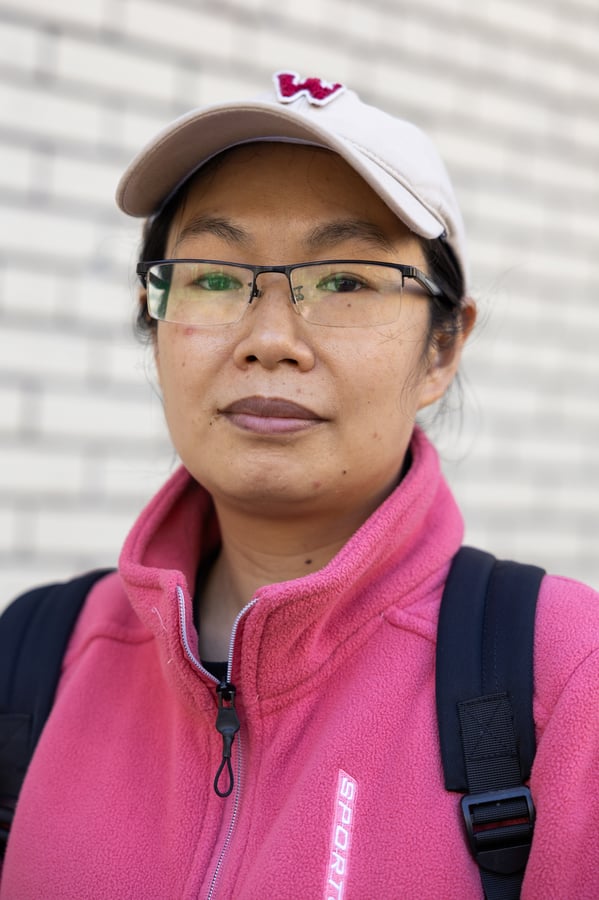
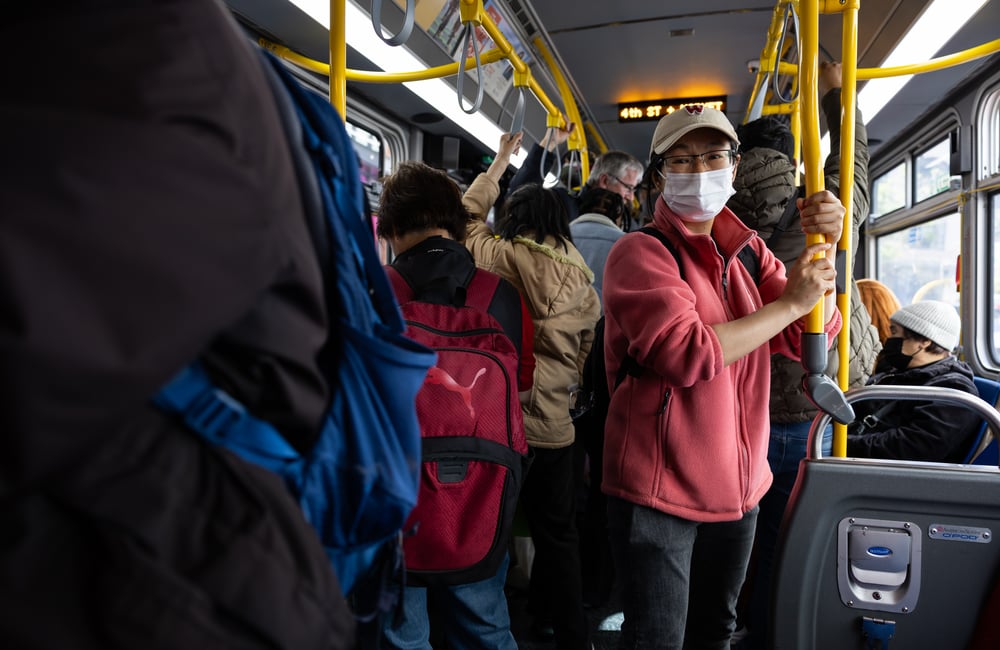
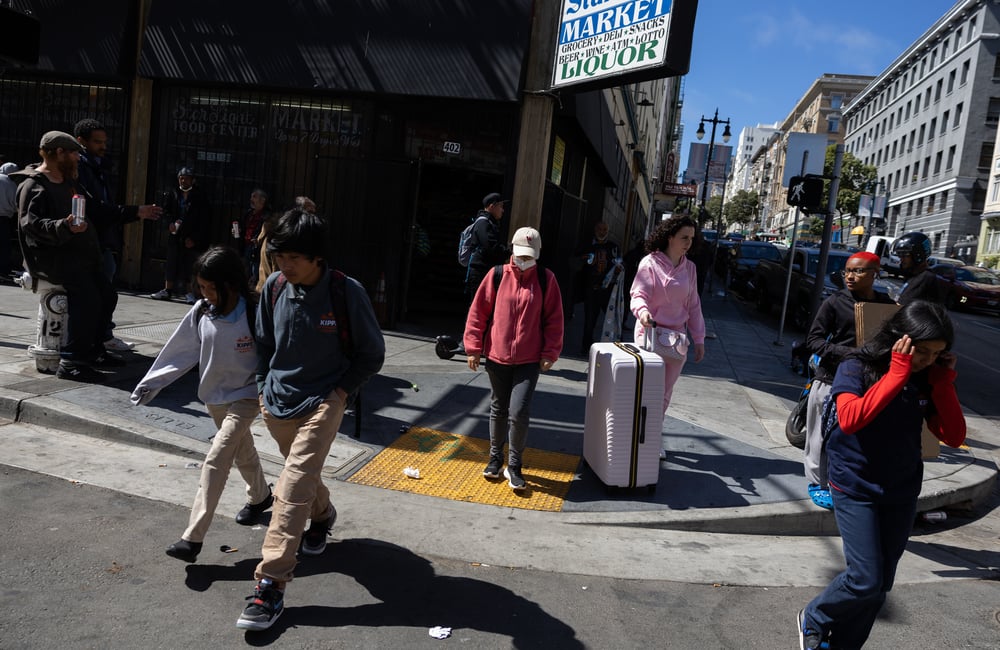
“我是家長。因為我們是新移民家庭,小朋友在學校遇到很多困難。有時候小朋友之間語言不通而發生矛盾。好多老師也因為語言不通而不理解。我的小朋友又沒辦法清楚表達自己沒做錯,所以他有時候並不是很適應這個學習環境。
若我置身在一個什麼語言都聽不懂的環境時,我會很彷徨。特別遇到困難的時候,我很彷徨,不知道該找誰求助。如果有人幫我,我會覺得很開心,沒那麼害怕......我最怕搭公車。那些標誌和車站名,我真讀不懂。在公車上面,如果我幸運能在車上遇見另一個唐人,或者有唐人面孔,我就會沒那麼害怕。但當我無法溝通,就不知道該怎麼辦。尤其是當我去遠的地方,搭錯站時真的很害怕,因為沒辦法找到回家的路。
我覺得來到美國,在CPA這裡可以感到溫暖。他們知道我們是新移民,了解我們的不容易,然後他們可以幫我們解決一些問題。”
“I am a parent. Because we are a new immigrant family, my child faces many difficulties at school. Sometimes, conflicts arise between kids because they can't communicate with each other due to language barriers. Many teachers also don't understand [the situation] due to language barriers. My child is unable to express that he is not at fault because he can't articulate himself properly. So he sometimes struggles to adapt to the learning environment.
If I find myself in an environment where I don't understand the language, I feel very lost. Especially when facing difficulties, I feel very uncertain and do not know who to ask for help. If there were someone to help me in such a situation, I would feel very happy and much less afraid… I'm most afraid of taking public transit. I can't read the signs or the station names. On public transit, if I'm lucky and see another Chinese person or someone who looks Chinese, I feel less afraid. But if I can't communicate, I really don't know what to do. Especially when going to distant places, if I get off at the wrong stop, I really get scared because I can't find my way home.
Coming to the United States, at CPA (the Chinese Progressive Association) I feel that I can find a sense of warmth. They understand that we are recent immigrants, they understand our challenges. And then they can help us solve some of our problems.”
--
We are grateful to all the participants, who generously and courageously are sharing their stories, from Eder’s campaign to win back wages he and his co-workers were never paid to Bushra’s relentless and loving support for women and young people in the Tenderloin.
If you’d like to get involved or learn more, reach out to us at comms@asianlawcaucus.org. We are hoping to partner with local groups, schools, and community gathering spaces to encourage more people to learn about language in all aspects of life and how we can make our society better for everyone.