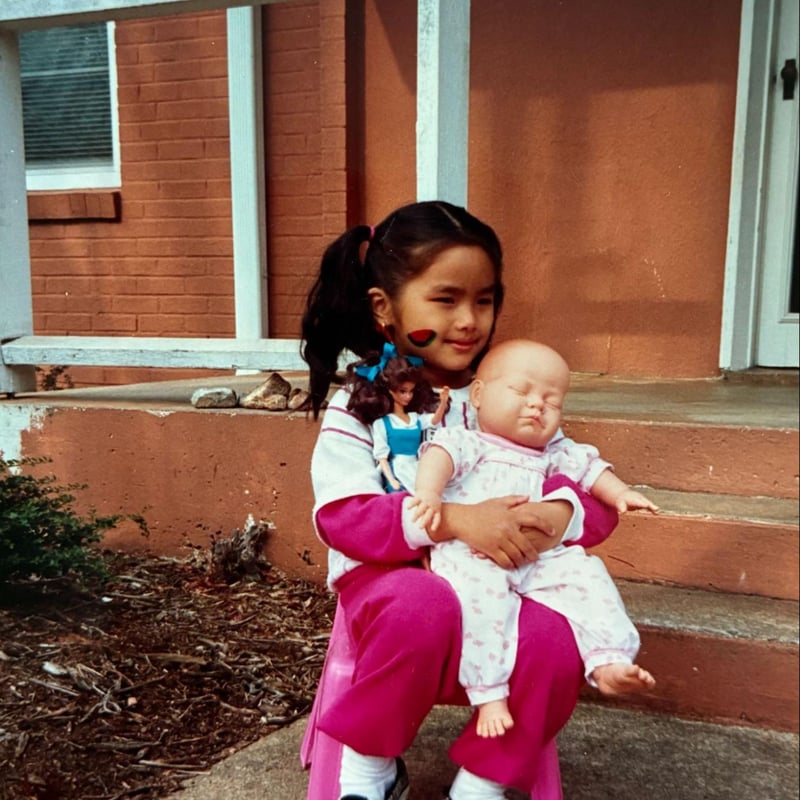
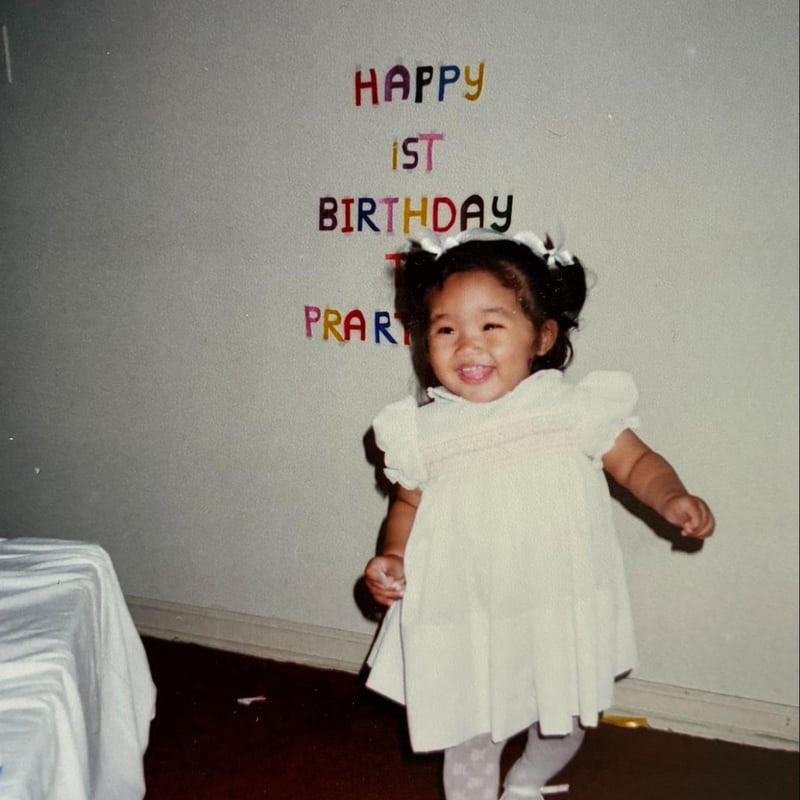
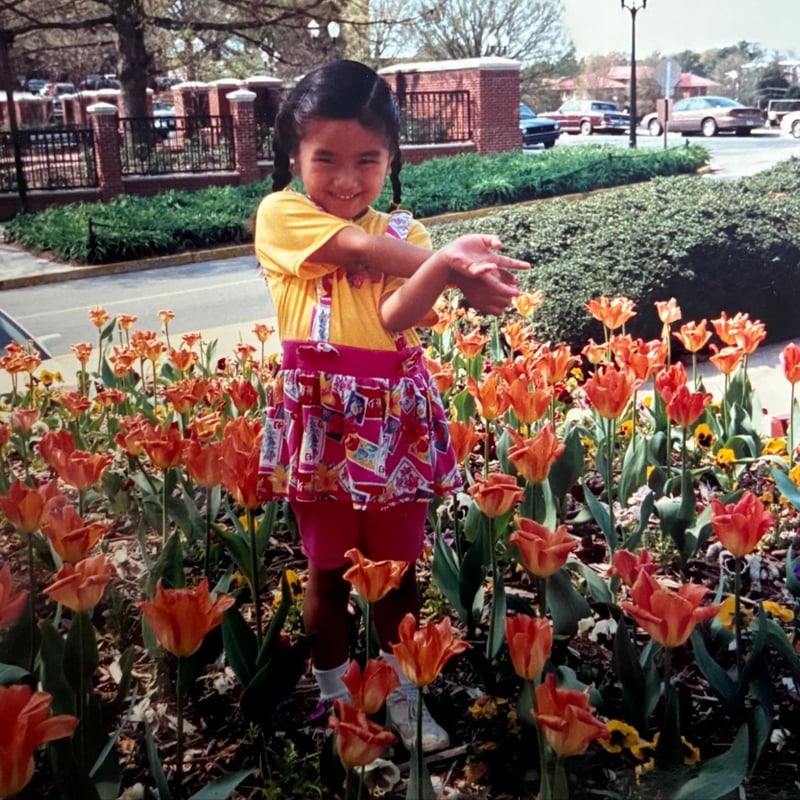
Prarthana is a 35-year old first-generation Nepali American community organizer based in New York City. Prarthana was born in South Carolina. At the time she was born, her father was on a student visa, pursuing his doctorate at Clemson University, while her mother was on a dependent visa. If Prarthana were born under the rules of Trump’s executive order, she would not be born a U.S. citizen.
“If I didn't have birthright citizenship, I wouldn't be in the space where I'm secure. I'm able to be confident and be able to organize my community around different issues in a way that I feel safe.”
Where do you call home? What’s your favorite thing about where you grew up?
I grew up in Northern Virginia, in a suburb of DC, in Fairfax which is very multicultural. I love the fact that I grew up around people from all different countries, people who were like me who were born here, but their parents were from different countries. And then I also love at the same time that we can all claim this country as our own. There's just not a lot of other places in this world where you can meet so many different types of people who come from such wonderful lineages and histories and backgrounds, but we all share this wonderful identity of being American plus something else, right?
Can you share your parents’ immigration story and what brought them to the U.S.?
My parents were born in Nepal and they're of a ethnic group that's considered indigenous in Nepal. Janjati is the word in Nepali that means indigenous. It's not a super marginalized group, but it is considered indigenous and not of the majority caste in Nepal. My father came here in, I believe, the late 70s as a Fulbright Scholar to do his masters at UC Davis in California. At some point, he left to go back to Nepal, worked for a little bit, met my mom, and they got married. He decided he wanted to continue pursuing education, and got into a doctorate program at Clemson University. So he came back to South Carolina to pursue a doctorate, and as is, many stories, just ended up staying here.
What were their hopes and aspirations when they came to the states?
Once they got married, they were really intent on building a solid and stable future for their family. Even before they had kids, they were thinking about this. And the situation back in Nepal was, and still is, not super stable, politically, socially, or economically and the US afforded them that stability that they were looking for. I don't think my father's ever said this specifically, but I think there was a freedom that they were able to experience being here. The caste system is quite prevalent in Nepal, but when they came here, they felt like they could start over again. It was really about what you brought to the table, your knowledge, your skills, versus who you were, or who your parents were. And so I think they felt a bit of freedom – we could build something new here for ourselves and for our children.
And what does being a US citizen mean to you?
It's definitely afforded me a lot of privileges. There's a sense of gratitude that I have for my parents for making that sacrifice to leave home and come here. I think there's also a gratitude for the people that fought for birthright citizenship here in the US, so that this idea of what being an American is not just who racially or ethnically looks a certain way. Citizenship affords a level of security and privilege that I'm very aware of, especially now, that not everyone has. I think it makes me a more secure, more confident person. It makes me someone who's really proud to be an American, right, and also really proud to be a Nepali American. It also means that I feel like I've reserved the right to potentially critique this country, right? And work to make this country a better place, because it is my home.
Why do you care about birthright citizenship? Or why should others care?
Birthright citizenship is not found everywhere in the world. Not every country has this, but it's aligned with the principles around democracy, equality, rights and dignity that this country was founded on, and especially the people that have fought to make this country what it is. People like women of color, black folks, indigenous folks, all these people, immigrant folks, and organizers who've been fighting to make this country into a better place. And so, birthright citizenship is a really big part of that. Like I was mentioning earlier, the diversity of what I love about my home – it's what makes that possible, and it creates a sense of belonging that all of us have, that this can be your country too.
It also ties us to people who are naturalized citizens. We live in families that are mixed, where you have people who are born here, people who are naturalized. And so citizenship is something that can be shared among all different types of people, whether you're born here or not. And people should care about it because it's what makes this country really wonderful and a free place to live and to grow and to flourish. While it doesn’t always feel like this country is free right now, we have to remember that it’s authoritarianism’s goal to create fear.
What do you think would have been different for you if you didn’t have birthright citizenship?
I don't think I would have thought about this question until the possibility of birthright citizenship being taken away was even presented. We live in a society where there are immigration laws that inhibit or restrict the flow of people and the ability for people to stay. So, of course, if I didn't have birthright citizenship, I wouldn't be in the space where I'm secure, I'm able to be confident and able to do what I do, which is organize my community around different issues in a way that I am able to do so safely. As of now, because of my privileges as a US born citizen, I'm in a position where I can put my body on the line for others who are not afforded that same rights or protection. But of course, if I didn't have birthright citizenship, that wouldn't be the case, right?
Asian American Advocacy Fund (AAAF) amplifies the collective power of Georgia’s Asian American communities through community organizing, storytelling, electoral organizing, and policy advocacy. The organization works in deep and transformative partnerships toward a hopeful future and dignified present for all. To support or learn more about their work, visit https://asianamericanadvocacyfund.org/ or follow them on Instagram @asianaaf.