Ashna is the Executive Director of Asian American Advocacy Fund, based in Atlanta, GA. Born in Jackson, Mississippi and raised in Detroit, Ashna is a first-generation Punjabi American. Her father first immigrated to the U.S. as an engineer under an H-1B visa –which is a temporary work visa– and her mother came as a dependent visa. Under Trump’s efforts to repeal birthright citizenship, Ashna would not be born as a U.S. citizen.
“Citizenship, for me, has meant safety, stability, and access to opportunities that aren’t guaranteed to everyone. It’s allowed me to move through the world with a kind of freedom I don’t take for granted. And with that privilege comes responsibility—Being a citizen means using my voice to build a country that truly includes all of us.”
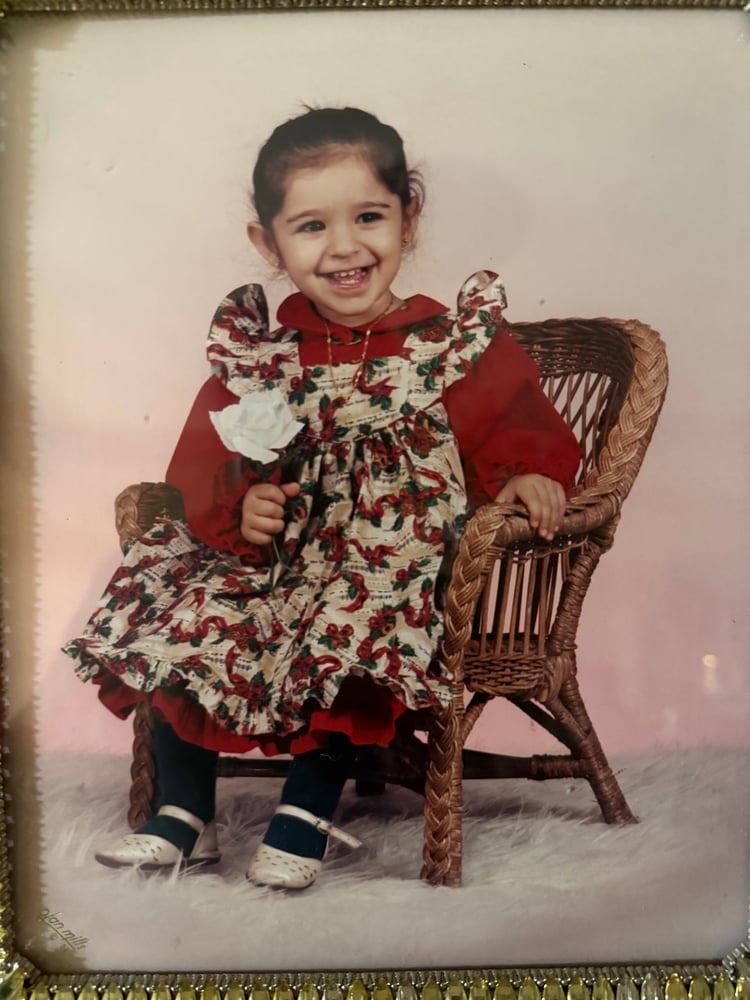
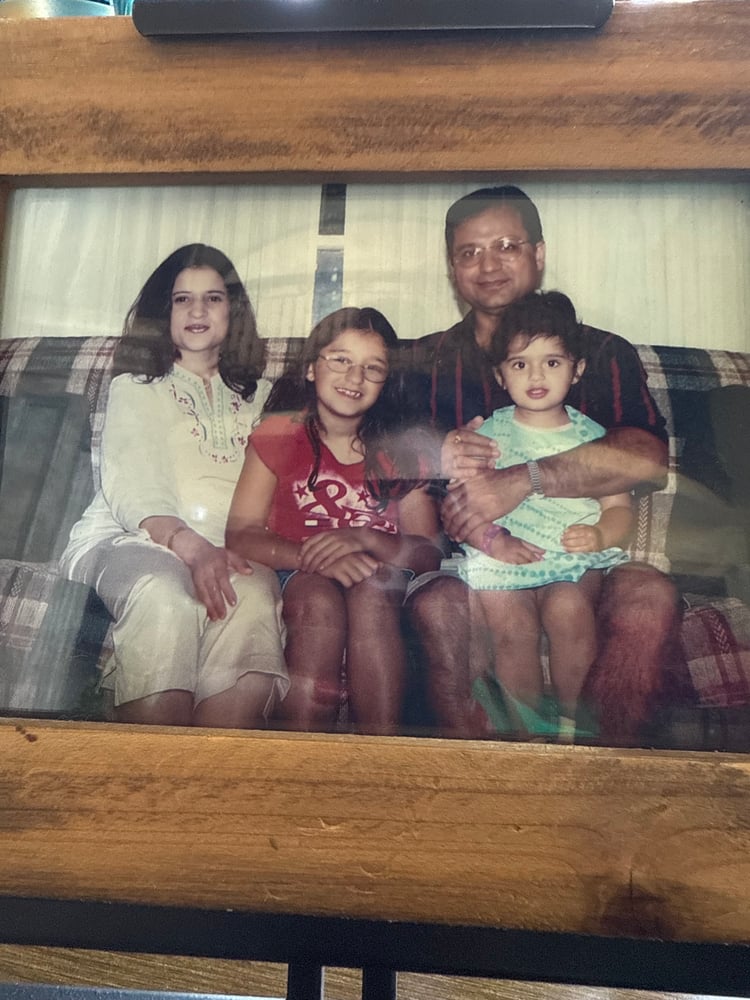
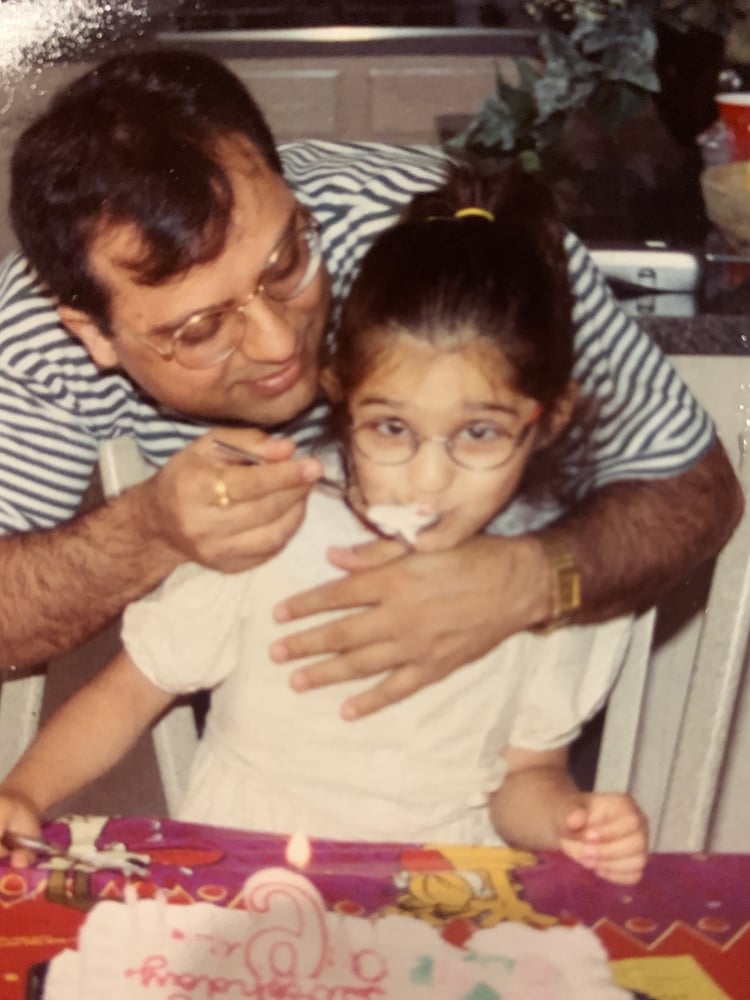
What’s your favorite thing about where you live?
My favorite thing about living in Georgia is my family. We’re Punjabi, so we’re loud, we’re huge foodies, and when we get together it’s all laughter, music, dancing, and way too much food. But it’s not just my immediate family—it’s our family friends, the community we’ve built over time, that makes it feel so full. There’s so much love, support, and joy in those relationships, and that’s what really makes Georgia home for me.
I also love Georgia because of the power of the people here. There’s a deep-rooted history of resistance and organizing in the South, and you can feel it in the way communities show up for each other—especially communities of color, immigrants, and working families. It’s powerful to live in a place where people are fighting for each other and building something better, together.
Where were your parents born? What brought them to the U.S.?
My parents were born and raised in Punjab, India, and we are Hindu Punjabi. My grandparents came from what is now Pakistan during the Partition, leaving everything behind to rebuild their lives across the newly drawn border. My dad was the first member of his family to come to the United States, and he brought my mom over soon after.
My dad was motivated from a young age to work hard and create a different future for himself. He didn’t come from money and was one of the first people in his village to study engineering. Eventually, he became the first in his family to come to the United States—arriving with the classic immigrant story: very little money in his pocket and a lot of determination. He brought my mom over soon after, and together they built a life from the ground up. They wanted their children to have more freedom, more education, and more stability than they had. Everything I’ve been able to do is because of their resilience, sacrifice, and love.
What were your parents’ immigration status when they came to the U.S.?
My dad came to the U.S. in 1994 on an H-1B visa, which allowed him to work as an engineer but tied his ability to stay in the country to his employment. My mom followed on an H-4 dependent visa, which allowed her to live in the U.S. but not work or access many forms of public support. Their immigration status gave them a pathway to be here, but it also came with real restrictions.
What scares me now is that, under the policies being pushed today, someone born in my exact situation might not be granted citizenship. If these proposed changes had been in place when I was born in Jackson, Mississippi, I could have been denied the very rights that shaped my life. It’s a chilling reminder that the protections I was born into aren’t guaranteed—and that we have to fight to keep them from being taken away from others.
What does being a U.S. citizen mean to you?
Being a U.S. citizen is a privilege—and it means a lot to me. I was born with it, but I’ve seen firsthand what it means when you don’t have it. Most of my extended family came from India and didn’t arrive with citizenship. I’ve watched them navigate a system that constantly makes you work to simply exist here. Citizenship, for me, has meant safety, stability, and access to opportunities that aren’t guaranteed to everyone. It’s allowed me to move through the world with a kind of freedom I don’t take for granted. And with that privilege comes responsibility—Being a citizen means using my voice to build a country that truly includes all of us.
Why does birthright citizenship matter?
I care about birthright citizenship because it gave me something so many people have to fight for—opportunity. I was born here, and that meant I didn’t have to live in fear of deportation or constantly prove that I deserved to stay. It gave me the stability and safety to build a life, pursue an education, and eventually lead an organization fighting for others to have those same chances. Most of my extended family didn’t come here with citizenship, so I’ve seen the uncertainty, the limitations, and the emotional toll it takes when your presence in this country is treated as conditional—even when you’ve spent your whole life here.
If I hadn’t had birthright citizenship, everything about my life could have been different. I might not have had access to the same education, healthcare, or job opportunities. I could have grown up constantly looking over my shoulder—worried about deportation, limited in where I could go or what I could build.
I think often about how many people in our communities live with that kind of fear and uncertainty every single day. It shapes everything—from your mental health to your ability to dream. Having birthright citizenship meant I could focus on becoming who I wanted to be, instead of fighting just to stay. And I never take that for granted.
Why do you think the Trump administration is focused on repealing birthright citizenship?
The Trump administration is using birthright citizenship as a political weapon—to stoke fear, divide communities, and distract from the real crises facing families in this country. It’s easier to scapegoat immigrants than to take responsibility for fixing broken systems—like healthcare, education, housing, and the economy—that are failing so many of us.
Repealing birthright citizenship doesn’t make this country stronger—it makes it more unequal, more unstable, and more unjust. It’s not about policy—it’s about power. And instead of working to ensure all families can thrive, they’re trying to decide who gets to belong. That’s not leadership—it’s cruelty. And we deserve better.
Asian American Advocacy Fund (AAAF) amplifies the collective power of Georgia’s Asian American communities through community organizing, storytelling, electoral organizing, and policy advocacy. The organization works in deep and transformative partnerships toward a hopeful future and dignified present for all. To support or learn more about their work, visit https://asianamericanadvocacyfund.org/ or follow them on Instagram @asianaaf.