The end of this article contains a step-by-step process of what to do if you are approached by federal agents.
As part of our work helping community members protect their civil rights, the Asian Law Caucus represents Bay Area residents who are unjustly targeted by federal law enforcement, including the FBI, Department of Homeland Security (DHS), and State Department. Often, these individuals are targeted because of their race, immigration status, or religion.
Targeting by federal agents takes different forms. For some community members, federal agents may show up at their homes. For others, agents from the FBI or other agencies may visit their work, school, or place of worship, or cold-call them, seeking what is called a “voluntary interview.” While those targeted are not compelled to take up such requests, they can often feel that they have to comply simply because the request is coming from a federal agent.
In many cases, FBI agents coerce people to become the agency’s informants by implying that they could create issues with their immigration or visa status, place them on watch lists, and even separate people from their families if the potential FBI recruit does not comply.
Trump has made clear he plans to use federal resources to target the “enemy within." The first Trump administration used federal law enforcement resources to target various communities in this way. Therefore, it is likely that over the next four years, many community members, especially those from Arab, Middle Eastern, Muslim and South Asians communities; activists, protestors or critics of Trump; and individuals of Chinese descent or of Chinese nationality, in particular those individuals with ties to academia and/or the STEM fields, may face federal law enforcement targeting.
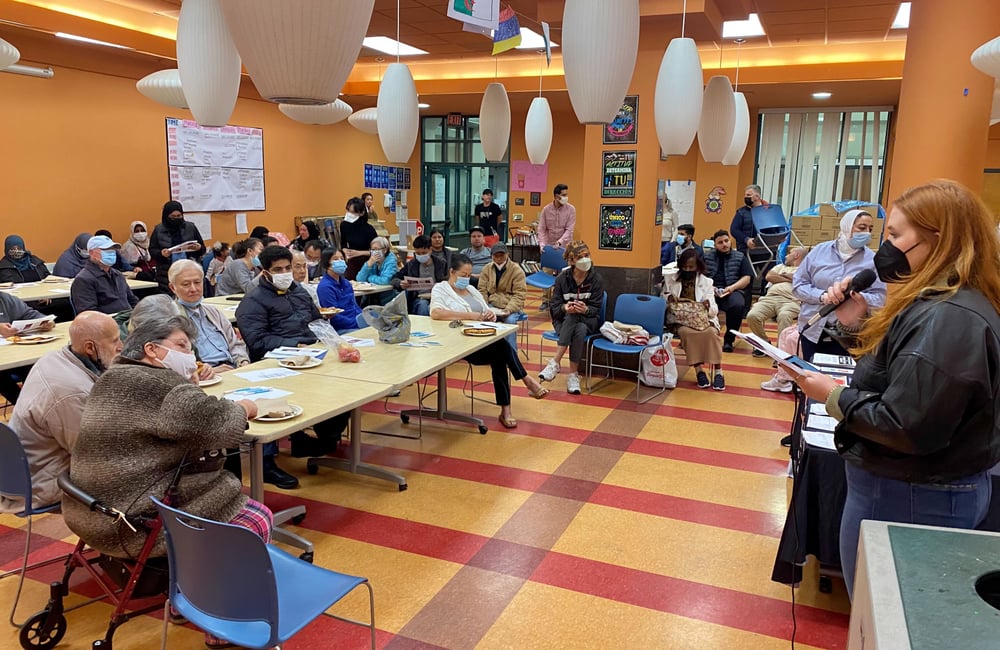
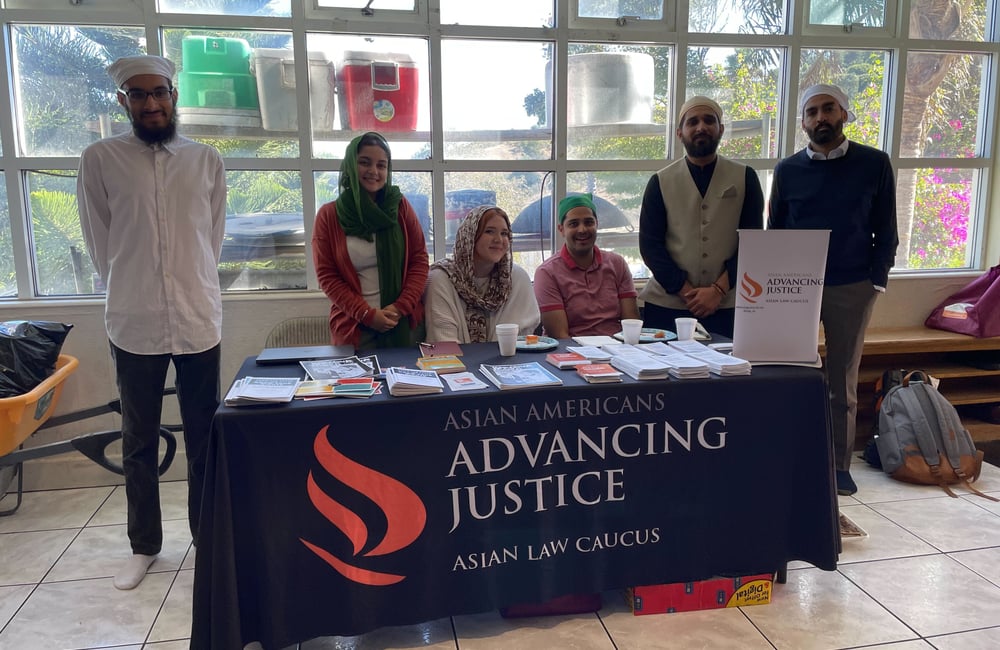
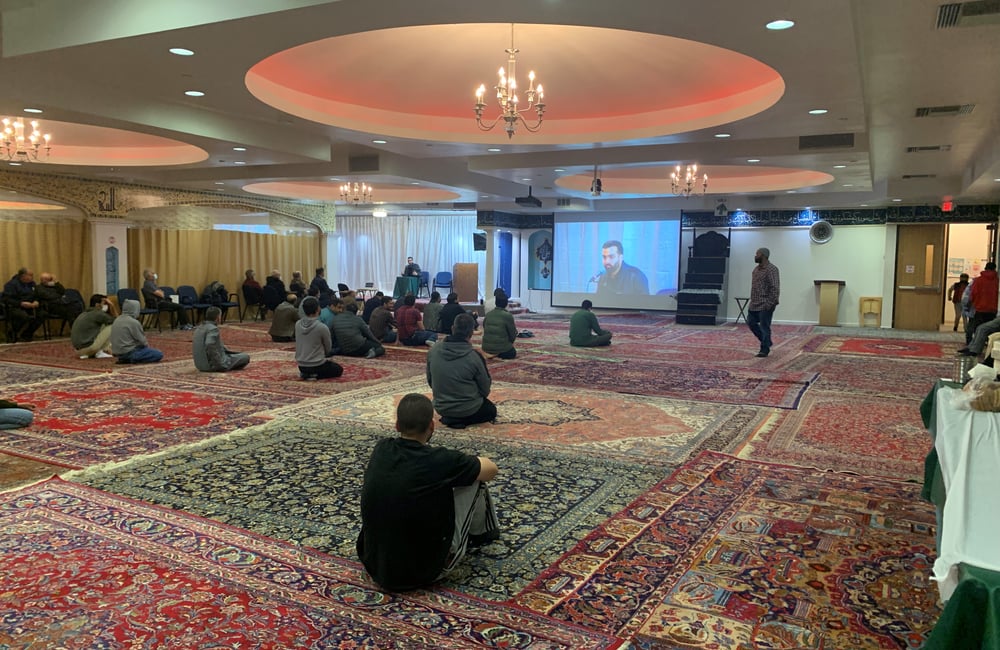
For years, our team has been providing free legal representation to many individuals and families. The team is currently representing an Afghan American and U.S. citizen who has been repeatedly approached by FBI agents and has been asked about his wife, who is an Afghan national, on a number of occasions.
In a past case, a PhD student at Stanford studying physics was visited at their home by two DHS Homeland Security Investigations (HSI) agents. When first approached, the student was asked about their research, any “military applications” to the projects they were working on, and the extent of their contact with scientific institutions and researchers in China. The student consulted ALC attorneys, who communicated directly with the HSI agents and effectively ended their inquiry into the student’s life. Since then, the student has not been contacted by agents.
In another instance, a researcher at Stanford received a notice in the mail that they were required to attend a “routine visa audit” at a federal building with a HSI agent. An ALC attorney went to the audit in the client’s stead, due to the lack of response nor clarifying details from HSI. The attorney provided the agent with the client’s updated passport information and the client did not hear from the special agent again, much to their relief.
If you are approached by federal agents (which can include agents from the FBI, Department of Homeland Security, or State Department), there are important steps you can take to protect your rights:
1. Do not talk to them or answer any questions without consulting an attorney first. Contact the Asian Law Caucus for help. You are not obligated to answer questions from an FBI agent. Your refusal to talk to the agent may not be used against you. Say, ‘I want to speak to a lawyer and to remain silent.’
Contact us at 415-896-1701 or fill out the Contact Us form to report the incident and request free legal advice about your next steps.
If you find yourself speaking to a federal agent without a lawyer, it’s okay to stop the conversation and say, ‘May I have your card? I will have my lawyer follow up with you.’
2. Ask for the agents’ information. Try to get the names, agencies, badge numbers, and business cards of all of the agents and officers who contacted you.
3. Do not let them inside your home unless they have a warrant. Say, ‘I do not give you consent to enter my house.’ However, if they insist on entering, do not resist and state, 'I do not consent to this search.'
4. Do not let them search your electronic devices unless they have a warrant. Once again say, ‘I do not give you consent to search my devices.’ If they insist on searching, do not resist and state 'I do not consent to this search.'
Find flyers on your rights if federal agents or police visit you in Arabic, Simplified Chinese, Traditional Chinese, English, Farsi, Pashto, Punjabi, and Urdu.
We have resources from different organizations to help people understand their rights regarding law enforcement surveillance, immigration, travel, electronic privacy, and discrimination. Visit our community education resource page.
Asian Law Caucus and Chinese for Affirmative Action staff provided a know-your-rights training for faculty & students at UC Berkeley's Institute for the Study of Societal Issues (ISSI). Watch the video below.